



FATCA explained in a four minute satirical sketch
< 1 min
25-05-2015
U.S. tax treaties can help reduce double taxation, but they do not always work the way Americans abroad expect. These frequently asked questions explain how treaties may affect filing obligations, treaty benefits, Form 8833 and cross-border income.
A U.S. tax treaty is an agreement between the United States and another country. It sets rules for how certain types of income may be taxed and may reduce double taxation in specific situations.
Usually, no. A tax treaty may reduce or affect how certain income is taxed, but it generally does not remove the U.S. tax filing obligation for U.S. citizens or other U.S. persons who are required to file.
A tax treaty may help prevent or reduce double taxation in specific cases. However, Americans abroad often also rely on regular U.S. tax mechanisms such as the Foreign Tax Credit or Foreign Earned Income Exclusion.
The saving clause preserves the right of the United States to tax its citizens and residents as if the treaty did not exist. Many U.S. tax treaties contain a saving clause, although some treaty benefits may still apply through specific exceptions.
Not automatically. Paying tax locally may reduce or eliminate U.S. tax through credits or treaty rules, but the income may still need to be reported on a U.S. tax return.
Form 8833 is used to disclose certain treaty-based return positions to the IRS. It may be required when a taxpayer takes the position that a tax treaty overrides or modifies a provision of U.S. tax law.
No. Some treaty positions are exempt from disclosure, but the rules are specific. If a treaty position materially affects your U.S. tax return, it should be reviewed carefully.
Usually, no. FBAR and FATCA are separate reporting regimes. Even if a treaty reduces income tax, foreign account or asset reporting obligations may still apply.
No. Each treaty is different. The rules that apply in the Netherlands may not be the same as those that apply in Germany, France, Spain or another country.
Americans Overseas is not a CPA firm and does not provide personal tax advice. We can help you clarify which topics may require attention and, where necessary, connect you with a U.S. tax advisor, CPA or local specialist from our network.
Learn more about FATCA in this video.
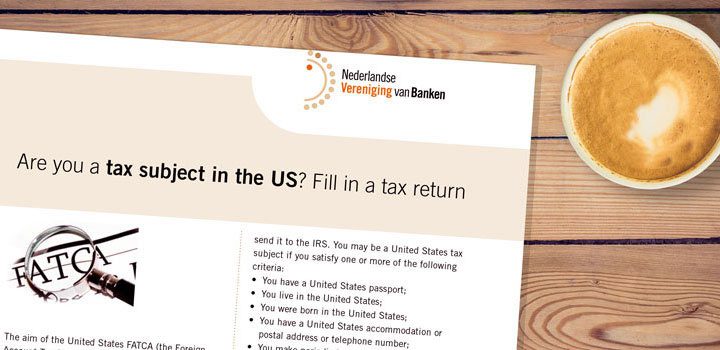


Find out in 2 minutes whether the IRS considers you a “US Person” and whether you may be required to file a US tax return — even if you live outside the United States.