


Trump tax reform and Americans Overseas
2 min
14-12-2017
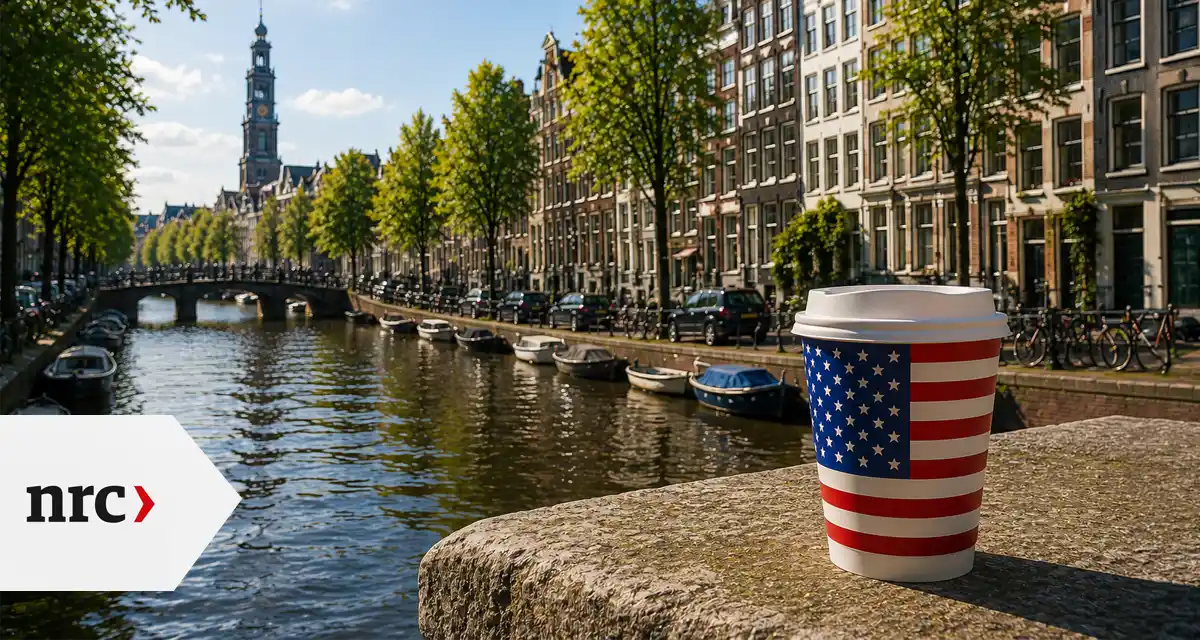
More Americans are choosing to move to the Netherlands. According to NRC, concerns about social developments, safety, healthcare and the cost of living often influence their decision. Many American entrepreneurs use the Dutch American Friendship Treaty, but moving abroad does not end their US tax and reporting obligations.
According to a recent article published by NRC, the number of Americans moving to the Netherlands is increasing. More US citizens are choosing to build a new life in the Netherlands, including through the Dutch American Friendship Treaty (DAFT). Behind this growth are very different personal stories. Some Americans leave in search of business opportunities, while others are looking for greater stability, personal safety or a better future for their families.
Whatever their reason for moving, one important fact remains: US citizens may continue to have American tax and reporting obligations while living in the Netherlands.
The personal stories highlighted by NRC show that the decision to emigrate is rarely based on a single issue.
One woman, a maternity nurse from Texas, had become increasingly concerned about the effect of stricter abortion legislation on pregnancy care. Through her work, she witnessed complex medical situations in which legal restrictions and personal beliefs could influence the care available to pregnant women. When she became pregnant herself, she and her husband decided that they would rather build their future in the Netherlands. She says that living here has given her family more peace of mind and a greater sense of stability.
Another American moved to the Netherlands with his wife and their three young children. Although he earned a good income in the United States, housing, healthcare and everyday expenses were becoming increasingly difficult to manage. The couple were also concerned about social developments and the safety of their children. In the Netherlands, seeing his children cycle to school independently has become a symbol of the more relaxed life the family had been seeking. He now also helps other Americans who are considering a similar move.
A woman from California and her wife also decided to leave the United States. They had once expected to grow old in California, but became increasingly worried about social developments, LGBTQ+ rights and their future personal safety. They deliberately left on the day of the US presidential election. For them, the Netherlands offered an opportunity to start again without giving up their American identity.
Although every situation is different, these stories demonstrate that emigration is rarely driven by one consideration alone.
For many Americans, the Dutch American Friendship Treaty offers an attractive route to the Netherlands. This trade agreement, which dates from 1956, allows qualifying American entrepreneurs to apply for Dutch residence when they establish or operate a business in the Netherlands.
The arrangement has become increasingly popular. According to NRC, the number of Americans moving to the Netherlands through DAFT has risen significantly in recent years.
Obtaining a Dutch residence permit through DAFT does not end your American tax obligations.
DAFT determines whether an American entrepreneur may live and work in the Netherlands. It does not change their obligations toward the Internal Revenue Service (IRS).
US citizens and Green Card holders are generally required to file an annual US Tax Return, even when they live permanently in the Netherlands. Their return may need to include income earned from a Dutch business, employment income, investments and other sources of worldwide income.
Moving to the Netherlands may therefore mean dealing with two tax systems:
This does not necessarily mean that you will pay the same tax twice. The US–Netherlands tax treaty and provisions such as the Foreign Tax Credit can often help reduce double taxation. However, these rules generally do not eliminate the underlying US filing obligation.
In addition to a US Tax Return, you may be required to file an FBAR, or Foreign Bank Account Report.
An FBAR may be required when the combined maximum balance of your non-US financial accounts exceeds the applicable reporting threshold at any point during the calendar year. This can include Dutch current accounts, savings accounts and certain investment accounts.
The FBAR is separate from your US income tax return and is submitted to the Financial Crimes Enforcement Network, commonly known as FinCEN.
American expats may also encounter the Foreign Account Tax Compliance Act, better known as FATCA.
Under FATCA, Dutch banks and other financial institutions may ask whether you are a US citizen or US tax resident. They may also request your Social Security Number or Taxpayer Identification Number.
Depending on your financial situation, certain foreign assets may also need to be reported to the IRS as part of your US tax return.
For Americans moving to the Netherlands, FATCA can therefore affect both their relationship with Dutch financial institutions and their own US reporting obligations.
American entrepreneurs who operate a business in the Netherlands may face additional questions concerning:
The most appropriate US tax treatment will depend on the entrepreneur’s personal circumstances and the structure of the business.
It is therefore advisable to understand the tax consequences before moving or establishing a company in the Netherlands.
Whether you are considering moving through DAFT or are already living in the Netherlands, Americans Overseas helps US citizens and Green Card holders understand and manage their American tax and reporting obligations.
Our specialists can assist you with:
Americans Overseas does not submit the DAFT residence application itself. Its role is to help Americans understand and address the US tax obligations that remain after moving to the Netherlands.
This allows you to focus on building your new life in the Netherlands while ensuring that your American tax affairs are handled correctly.
Related information: Read our page for expats to learn more about living abroad as a US citizen and the American filing requirements that may apply.
We, the founders of Americans Overseas, were born in the Netherlands and received our American citizenship through our (American) mother.
When we first learned about the U.S.–Netherlands tax treaty around 2013, we felt disbelief (“this can’t be true”), anger (“how can they do this?”), fear (“will I get fined or have problems?”), and panic (“what should I do?”).
Unfortunately, it is true that there is a U.S. tax obligation for Dutch citizens who acquired American nationality by birth. There was no information from local authorities, the U.S. consulate referred us to the IRS, and the IRS itself was impenetrable.
That is why we started this initiative: to help others with reliable information, to prevent unnecessary panic, and to offer free, no‑obligation assistance. When needed, we can connect you with a network of affordable professionals (accountants) who can help you meet your U.S. tax obligations.
Contact us for more information
Source: NRC
Understanding the US tax system, the obligations, and all the additional terms can be difficult. Especially if one lives outside of America. Is your question not answered? Contact us.
U.S. citizens and resident aliens who live abroad are generally required to file a federal income tax return and pay taxes on their worldwide income.
Read more... about Who is required to file taxes in the US?Yes, US citizens are required to file taxes on their worldwide income, regardless of where they are living.
Read more... about Do US citizens living abroad still have to file taxes in the US?Received an American check? You can cash your check in the following ways: cash the check at your own bank, transfer to another person (endorsement), cash checks using an online service or cash the check by another bank.
Read more... about How can I cash my US check?US citizens living abroad may be required to file Form 2555 and/or Form 1116 to claim the foreign-earned income exclusion.
Read more... about Are there any special tax forms required for US citizens living abroad?FBAR (Foreign Bank Account Report) filing is the requirement for certain U.S. individuals and entities to report their foreign financial accounts to the Financial Crimes Enforcement Network (FinCEN) of the U.S. Department of Treasury. The FBAR filing requirement applies to U.S. persons who have a financial interest in, or signature authority over, one or more foreign financial accounts if the aggregate value of those accounts exceeds $10,000 at any time during the calendar year.
Read more... about What is FBAR filing?Yes. Americans may move to the Netherlands for work, study, family reasons or entrepreneurship. American entrepreneurs may be eligible to apply for residence under the Dutch American Friendship Treaty.
The Dutch American Friendship Treaty, commonly known as DAFT, is a trade agreement between the United States and the Netherlands dating from 1956. It allows qualifying American entrepreneurs to apply for Dutch residence when establishing or operating a business in the Netherlands.
Generally, yes. US citizens and Green Card holders are usually required to file an annual US Tax Return and report their worldwide income, even when they live permanently in the Netherlands.
Not necessarily. The US–Netherlands tax treaty and tax provisions such as the Foreign Tax Credit can often reduce double taxation. However, these rules do not usually remove the requirement to file a US tax return.
Possibly. You may need to file an FBAR when the combined maximum balance of your non-US financial accounts exceeds the applicable threshold at any time during the year. FATCA reporting requirements may also apply.
No. DAFT is an immigration arrangement that can provide qualifying American entrepreneurs with residence in the Netherlands. It does not change their US citizenship status or end their American tax and reporting obligations.
Yes. Americans Overseas assists US citizens and Green Card holders with US Tax Returns, FBAR filings, FATCA questions, the Streamlined Filing Compliance Procedures, Social Security Number matters and other US tax obligations.
No. Most Americans living in the Netherlands retain their US citizenship. Renunciation is a separate and significant legal and financial decision that should only be taken after careful consideration of its consequences.